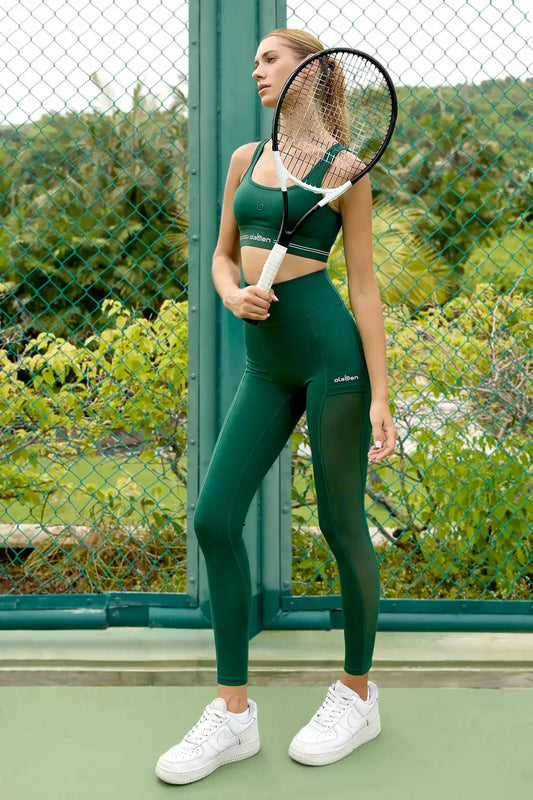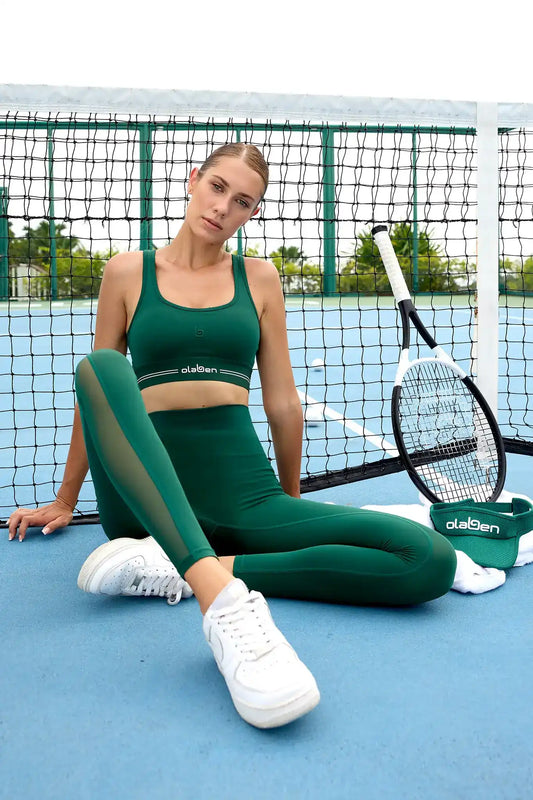
Your first pair of yoga pants can make or break how you feel about practice. The wrong pair rides down in downward dog, goes sheer in a squat, or digs into your waist until you cannot wait to take it off. Most of these problems come from a handful of avoidable mistakes. Here is what to skip, and what to do instead.

Mistake 1: Buying the wrong size by guessing
The most common error is picking a size on feeling, or copying your regular jeans size. Activewear sizing runs differently, and stretch fabric behaves differently from denim. Too tight digs and rolls at the waist; too loose slides down and bunches.
Do this instead: check the brand’s size chart against your real waist and hip measurements. If you are between sizes, size down for compression styles and up for relaxed fits. For your first purchase, try them on in person if you can, so you learn the size and fabric before buying online.
Mistake 2: Choosing fabric that is too thin (the see-through trap)
A legging that looks fine standing up can turn transparent the moment you bend or squat. Thin, cheap fabric is the usual culprit, and it kills confidence fast.
Do this instead: always run the squat test. Bend into a deep squat in front of a mirror, or stretch the fabric across your hand. If you can see through it, put it back. Look for a dense knit and a fabric labeled squat-proof or high-opacity.

Mistake 3: Ignoring fabric type altogether
Many first-timers grab whatever looks cute without checking what it is made of. Pure cotton soaks up sweat, stays wet, and sags. That is fine for lounging, not for a sweaty flow.
Do this instead: choose a technical blend of nylon or polyester with spandex. It wicks moisture, dries fast, stretches four ways, and holds its shape. The guide to yoga pant material breaks down what each fabric does.
|
Fabric |
Best for |
Watch out for |
|
Nylon-spandex |
Sweaty, dynamic practice |
Slightly higher price |
|
Polyester-spandex |
All-round training |
Cheaper versions can pill |
|
Cotton blend |
Gentle, restorative, lounge |
Holds sweat, can sag |
|
100% cotton |
Lounging only |
Not for sweaty sessions |
Mistake 4: Picking the wrong rise
Rise is comfort and coverage. A low rise slips during fast flows and exposes your back in forward folds; the wrong fit at the waist distracts you the whole session.
Do this instead: for most yoga and Pilates, choose a high rise. It stays put through inversions, smooths the midsection, and gives full coverage when you bend. Save low and mid rise for gentle or casual wear if you prefer less compression.
Mistake 5: Confusing leggings with true yoga pants
All yoga pants are leggings, but not all leggings are yoga pants. Fashion leggings are often thinner and not built for deep movement or sweat.
Do this instead: for practice, choose pieces made for it: thicker, opaque, with a gusset and a secure waistband. Read yoga pants vs leggings so you know which one you are actually buying.

Mistake 6: Overlooking the waistband and seams
A thin, rolling waistband and bulky inner seams cause pinching, digging, and chafing. These small details decide whether you forget your pants or fight them.
Do this instead: look for a wide, flat waistband that sits comfortably without an intricate design that bunches, plus flatlock seams and a gusset in the crotch to remove pressure points and add range of motion.
Mistake 7: Getting the length wrong
Length is not only style. Capris suit hot yoga and warm climates; full length works for cooler rooms and more coverage; the wrong length can bunch at the ankle or feel restrictive.
Do this instead: match length to your practice and climate. When unsure, a 7/8 length is the most versatile. See choosing the right length of leggings.

Mistake 8: Buying on price alone
The cheapest pair often costs more over time. It pills, sags, and goes sheer within months, so you buy again and again.
Do this instead: buy fewer, better pairs. Invest in quality where it counts and you lower your cost per wear. Browse the leggings collection and women’s yoga for pieces built for movement.
First-purchase checklist
FAQ
How do I know if leggings are squat-proof?
Do the squat test in good light, or stretch the fabric over your hand. If light shows through, they will be see-through in a deep pose.
What size should I buy if I am between two?
Size down for compression and stay-put styles, size up for relaxed comfort. Always check the brand’s chart first.
Are yoga pants and leggings the same?
Not quite. Yoga pants are made for practice (thicker, opaque, gusseted). Many fashion leggings are not. See yoga pants vs leggings.
What fabric is best for sweaty practice?
A nylon or polyester blend with spandex. It wicks, dries fast, and keeps its shape better than cotton.