The bird dog is a core exercise done on your hands and knees. You extend one arm forward and the opposite leg back, hold for a moment, and return without letting your hips or back move. It builds the kind of core and back strength that keeps your spine steady, and it’s one of the three exercises spine researcher Stuart McGill includes in his well-known “Big 3” for back health, alongside the curl-up and side plank.
How to do a bird dog
- Start on all fours on a mat. Hands under shoulders, knees under hips, spine neutral (not sagging, not rounded).
- Brace your core lightly, as if someone is about to poke your belly.
- Reach your right arm forward and extend your left leg back at the same time, until both are in line with your body. Thumb points up, toes point down.
- Hold for 2 to 10 seconds. Keep your hips square to the floor; imagine balancing a glass of water on your lower back.
- Return slowly to all fours. You can lightly sweep the knee and elbow toward each other under your body for more core work.
- Switch sides. That’s one rep.

Start with: 3 sets of 6 to 8 reps per side, with a 5-second hold.
Breathing: breathe normally during the hold. Don’t hold your breath.
What muscles does the bird dog work?
|
Muscle |
Role |
|
Erector spinae (back extensors) |
Keep the spine long and steady |
|
Multifidus (deep spinal muscles) |
Stabilize individual vertebrae |
|
Gluteus maximus |
Extends the lifted leg |
|
Obliques and transverse abdominis |
Stop the trunk from rotating |
|
Shoulder and upper-back muscles |
Hold the arm up and the supporting shoulder stable |
Like the dead bug, the bird dog trains the core to resist movement. The difference is that it works the back of the body more and challenges balance.
Benefits of the bird dog
- Back-friendly core strength. It trains the back extensors and deep core with very little load on the spine.
- Better balance and coordination, since you’re on three points, then two.
- Improved posture. Strong back extensors and glutes help counter hours of sitting.
- Glute activation without equipment.
- Works anywhere: a mat or carpet is all you need.

Common mistakes
- Hips rotating open. The lifted leg pulls the hip up. Lift the leg only as high as you can keep both hip bones level.
- Lifting the leg too high. This arches the lower back. Stop at hip height.
- Sagging or rounding the back. Keep a long, neutral spine from head to tailbone.
- Rushing. The pause is the exercise. Hold each rep.
- Shrugging the support shoulder. Push the floor away so your shoulder blade stays flat.
Progressions and regressions
|
Level |
Variation |
|
Easier |
Arm only, then leg only |
|
Easier |
Smaller range, lifting just a few centimetres |
|
Standard |
Opposite arm and leg with a 5-second hold |
|
Harder |
Elbow-to-knee crunch under the body between reps |
|
Harder |
10-second holds, or draw small squares with the hand and foot |
|
Hardest |
Light ankle weight or band around the foot; or start from a plank |

Bird dog vs dead bug
|
|
Bird dog |
Dead bug |
|
Position |
Hands and knees |
On your back |
|
Main focus |
Back extensors, glutes, anti-rotation |
Front core, anti-extension |
|
Balance demand |
Higher |
Lower |
|
Best for |
Back health, glutes, posture |
Abs, rib and pelvis control |
|
Do them together? |
Yes, they complement each other |
Yes |
A balanced core routine uses both: the dead bug trains the front, the bird dog trains the back. Add the plank for endurance.
A back-friendly core routine
|
Exercise |
Sets x reps or time |
|
Cat-cow (warm-up) |
1 minute |
|
Bird dog |
3 x 6 per side, 5-second hold |
|
Dead bug |
3 x 8 per side |
|
Glute bridge |
2 x 15 |
|
Side plank (knees down to start) |
2 x 20 seconds per side |
Do it three times a week, or every morning as a short wake-up. If your lower back gets stiff from sitting, also see Pilates for back pain and yoga for back pain relief. Warm up with cat-cow.
What to wear and what you need
- A cushioned mat for your knees. Our Harmony Yoga Mat is 6mm thick. For sensitive knees, fold the mat or add a towel.
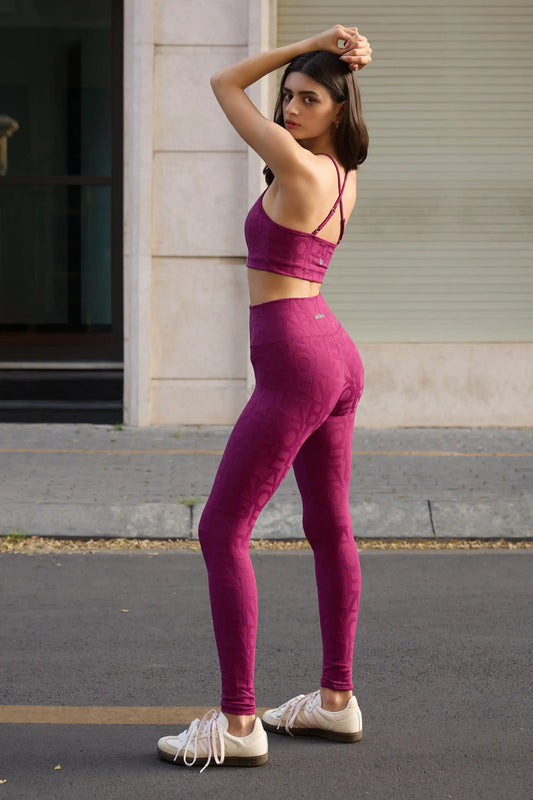
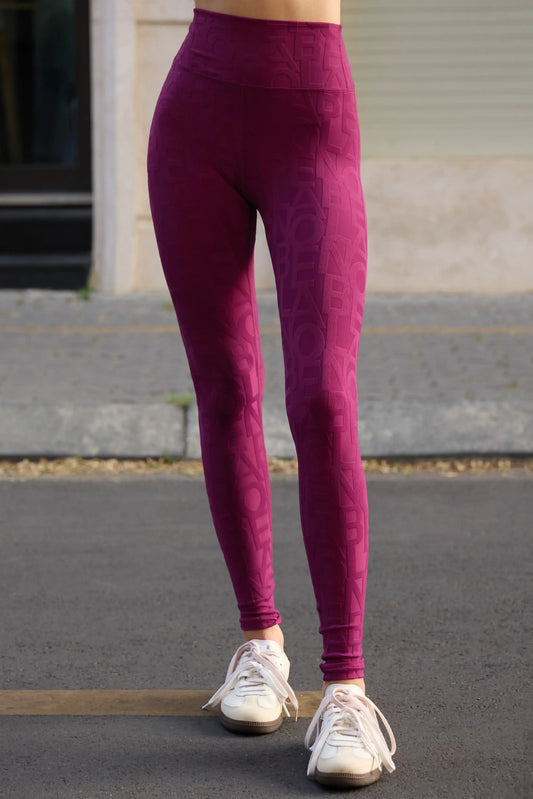
- High-waist leggings that don’t slip when you extend your leg, such as the Evo High Rise Leggings.
- A supportive sports bra like the Ace Support Bra.

FAQ
What is the bird dog exercise good for?
It builds core and back stability, glute strength, and balance with very little stress on the spine. That makes it popular for back health and posture.
Is the bird dog good for lower back pain?
It’s widely used in back rehab and is part of Stuart McGill’s “Big 3”. If you have back pain, follow the guidance of a physical therapist.
How long should I hold a bird dog?
Start with 2 to 5 seconds per rep. Build up to 10 seconds as your control improves.
How many bird dogs should I do?
3 sets of 6 to 8 reps per side, three or more times a week.
Bird dog or dead bug: which is better?
Neither. They train opposite sides of the core. Doing both gives you a more complete routine.
Can I do bird dogs every day?
Yes. It’s a low-intensity exercise that most people can do daily, for example as part of a morning routine.
The bottom line
The bird dog is a small move with big returns for your back, glutes, and balance. Keep your hips level, reach long rather than high, and hold each rep. Pair it with the dead bug and plank for a complete core routine, on a comfortable mat and in leggings that stay put.
General guidance, not medical advice.